Dead Tree Removal in Montgomery County, PA
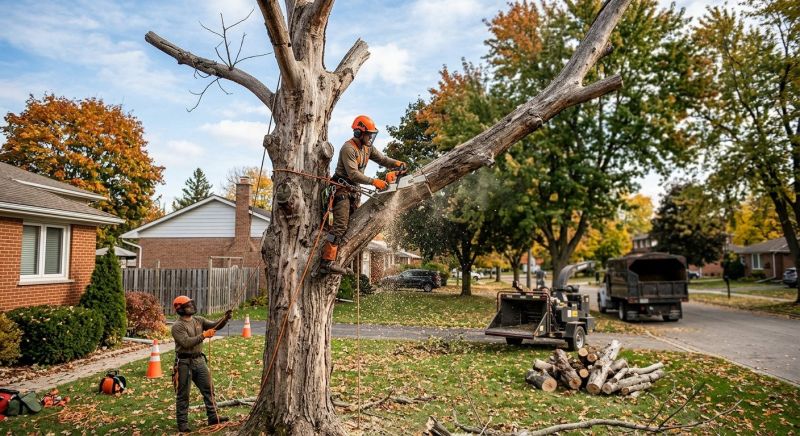
Dead tree removal services involve safely and efficiently taking down trees that are dead, decaying, or pose a risk to the property. This service covers a variety of projects, including removing hazardous trees near structures, clearing fallen or broken branches, and eliminating dead trees to improve landscape safety and appearance. Property owners typically seek this service to prevent potential damage from falling limbs, to eliminate unsightly or diseased trees, or to prepare a yard for future landscaping or construction projects.
Before requesting dead tree removal, property owners usually want to understand the scope of work involved, including the size and location of the tree, as well as any potential challenges such as proximity to power lines or structures. It is also helpful to consider whether the removal might require permits or special equipment, especially for larger or hard-to-access trees. Clear communication about these aspects can ensure the process proceeds smoothly and safely.
Many property owners in Montgomery County, PA look into Dead Tree Removal for repairs, replacements, upgrades, and appearance-related improvements.
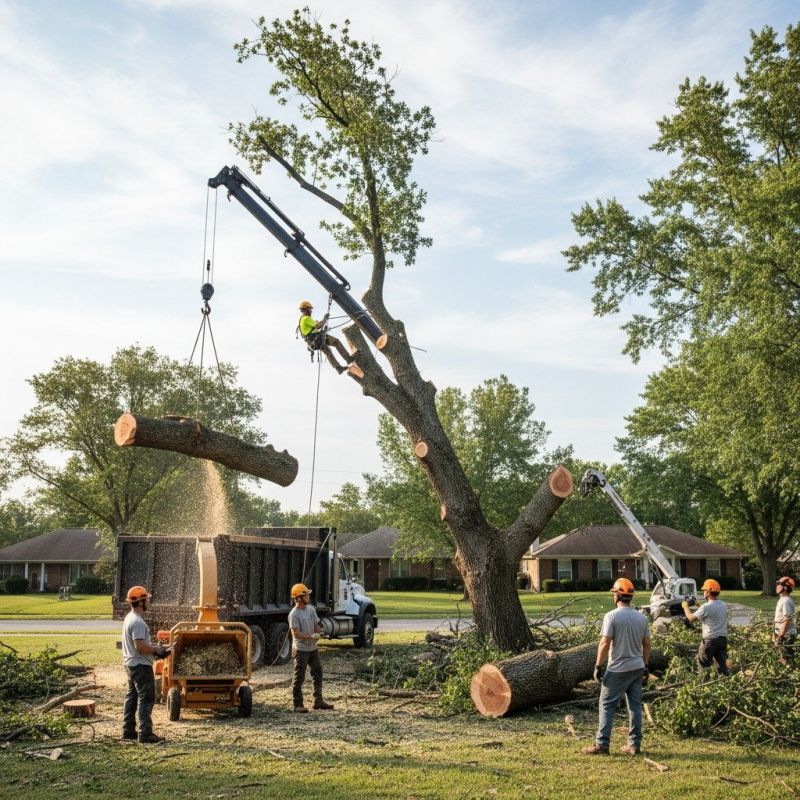
Safety And Clearance
Removing dead trees helps prevent property damage and reduces safety hazards.
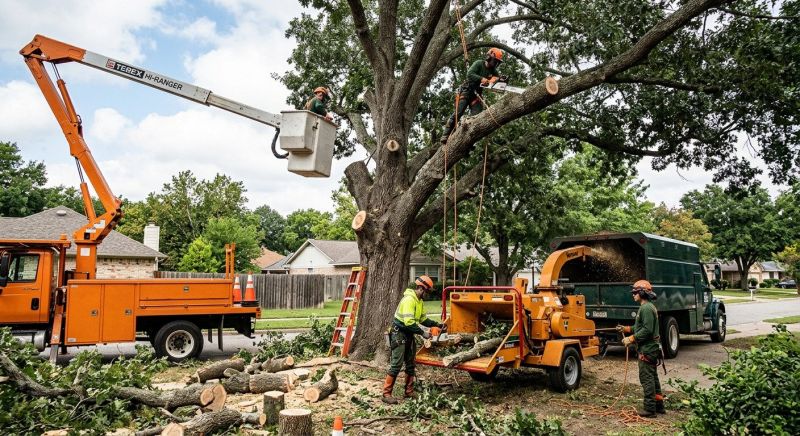
Property Aesthetics
Dead tree removal enhances the visual appeal of residential and commercial landscapes.
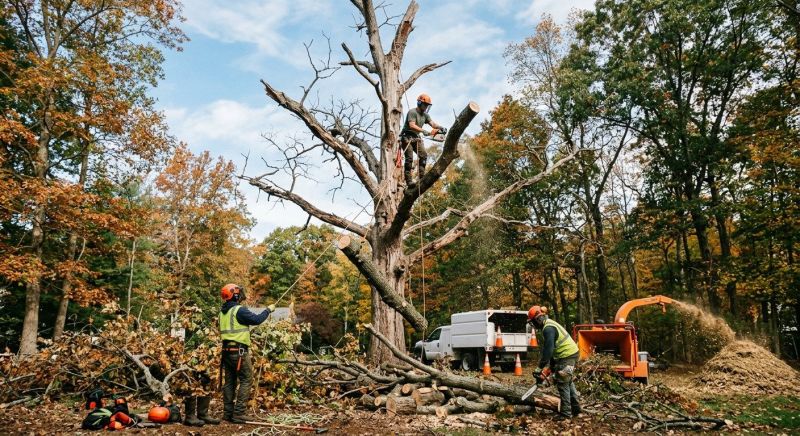
Tree Health Management
Removing hazardous or decayed trees supports the overall health of surrounding greenery.
Dead Tree Removal in Montgomery County, PA
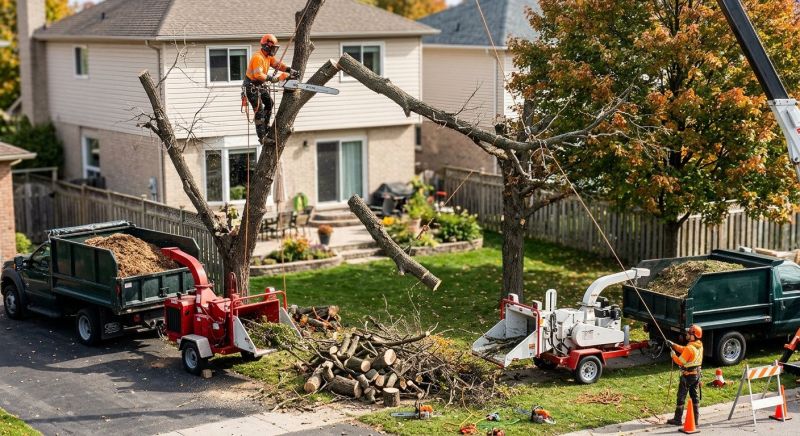
Dead tree removal services involve safely and efficiently taking down trees that are dead, decaying, or pose a risk to the property. This service covers a variety of projects, including removing hazardous trees near structures, clearing fallen or broken branches, and eliminating dead trees to improve landscape safety and appearance. Property owners typically seek this service to prevent potential damage from falling limbs, to eliminate unsightly or diseased trees, or to prepare a yard for future landscaping or construction projects.
Before requesting dead tree removal, property owners usually want to understand the scope of work involved, including the size and location of the tree, as well as any potential challenges such as proximity to power lines or structures. It is also helpful to consider whether the removal might require permits or special equipment, especially for larger or hard-to-access trees. Clear communication about these aspects can ensure the process proceeds smoothly and safely.
Many property owners in Montgomery County, PA look into Dead Tree Removal for repairs, replacements, upgrades, and appearance-related improvements.
Common Dead Tree Removal Jobs
Dead tree removal involves safely cutting down hazardous or unwanted trees on residential properties.
Stump removal clears out remaining tree stumps to improve yard safety and appearance.
Emergency dead tree removal addresses urgent situations caused by storm damage or disease.
Selective tree removal targets specific dead or decaying branches to prevent further damage.
Property cleanup includes hauling away fallen branches and debris after tree removal.
Land clearing services remove dead trees to prepare land for new landscaping or construction.
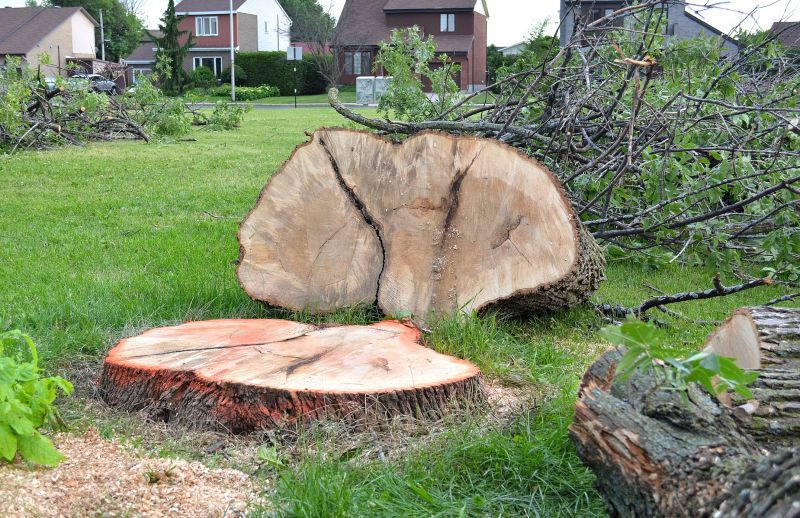
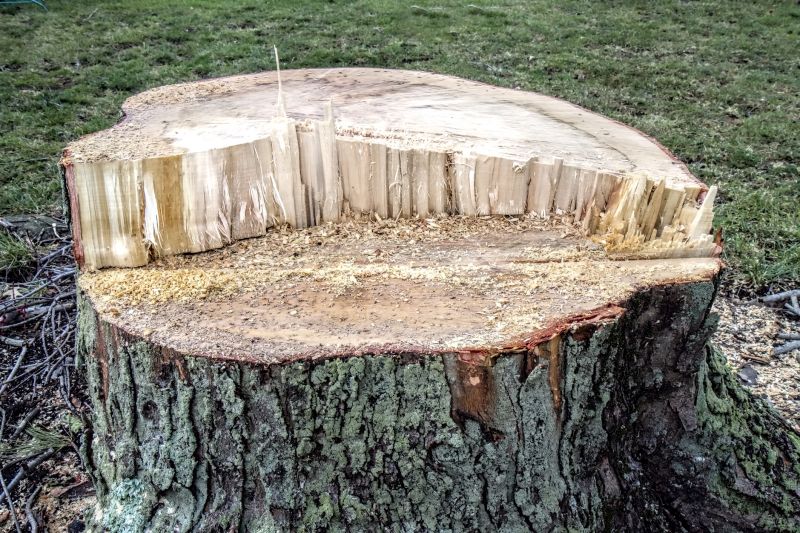
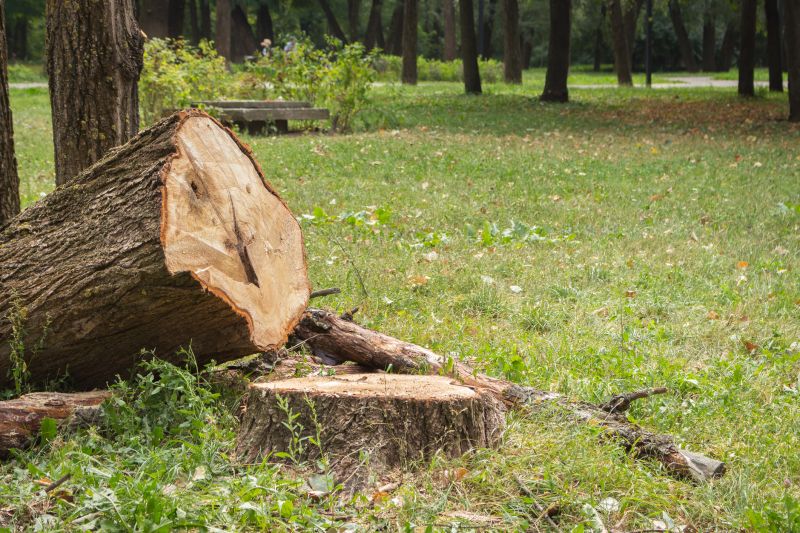
Dead Tree Removal Questions
What is dead tree removal? Dead tree removal involves safely cutting down and removing trees that are no longer alive or pose a risk to the property.
Why should dead trees be removed? Removing dead trees helps prevent potential damage from falling branches or the entire tree, and improves landscape safety and appearance.
What types of trees are typically removed? Any tree that shows signs of decay, disease, or damage that makes it unstable may be considered for removal.
Is dead tree removal necessary for safety? Yes, removing dead trees reduces the risk of injury or property damage caused by falling branches or trees.
Request Dead Tree Removal in Montgomery County, PA
Use the quote form on this page to share the basics of your project and request more information for the type of work you need.