Compare Local Contractors for Safe Tree Limb Removal
Compare local contractors for tree limb removal to define project scope, verify experience, and establish clear expectations for a safe, effective job.
Tree limbs removal is a common service that involves trimming or cutting away overgrown, damaged, or hazardous branches to maintain the health and safety of trees on a property. This work typically covers pruning dead or diseased limbs, reducing weight on heavy branches, and removing limbs that pose a risk to structures, power lines, or people. Properly executed limb removal can also help improve the overall appearance of trees and prevent potential damage during storms or high winds. When planning this type of work, property owners should consider the specific needs of their trees and surroundings to ensure that the scope of work aligns with their safety and aesthetic goals.
Clearly defining the scope of tree limbs removal is essential for setting accurate expectations and ensuring the work addresses all necessary concerns. A detailed scope might specify which branches are to be removed, the size and location of limbs, and any special considerations such as proximity to buildings or power lines. Having these details in writing helps prevent misunderstandings and provides a basis for comparing different service providers. It also assists property owners in verifying that contractors have experience with similar projects and understand the specific requirements of their trees and property layout.
When comparing local contractors for tree limbs removal, property owners should focus on experience, reputation, and the clarity of communication. It’s advisable to ask about the types of trees they have worked on and the methods they use for limb removal. Checking references or reviews can provide insights into their reliability and quality of work. Additionally, reviewing written estimates or scope of work documents can help identify contractors who are thorough and transparent about what the project entails. Comparing these aspects ensures that property owners select a service provider capable of safely and effectively handling the job, tailored to the specific needs of their property.
Compare local contractors by outlining your project priorities, verifying experience, and setting clear expectations in writing.
- Compare Contractor Experience - Review the background and track record of local contractors to ensure they have relevant experience with tree limb removal.
- Define Scope Clearly - Communicate specific details about the work needed to help contractors provide accurate estimates and avoid misunderstandings.
- Verify Qualifications - Check that service providers have the necessary skills and equipment to safely and effectively handle tree limb removal.
- Get Written Agreements - Ensure all project details, expectations, and responsibilities are documented in a formal written agreement.
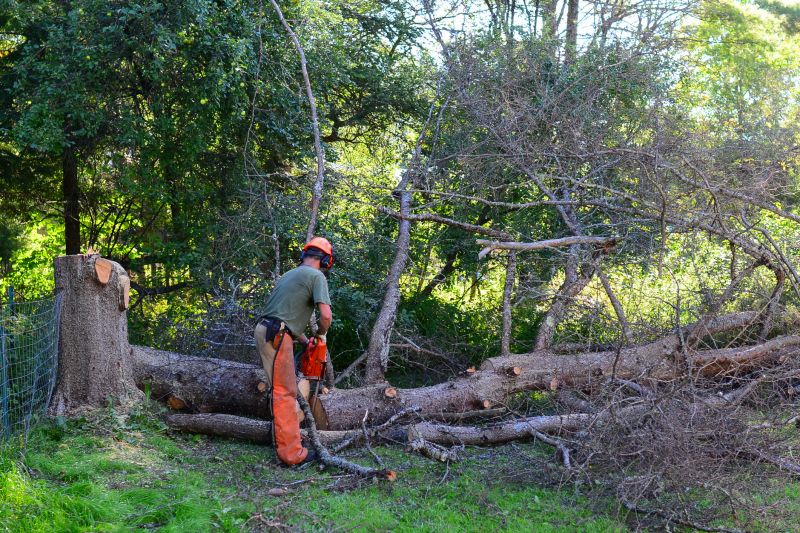
Clearly describe your tree limb removal project to help compare local contractors, define scope, and set expectations in writing.
- Assess the contractor’s experience with tree limb removal projects to ensure they have relevant expertise. - Verify that the scope of work is clearly defined and documented in the service agreement.
- Ensure the contractor provides detailed explanations of their removal methods and safety precautions. - Confirm that the contractor is experienced in handling trees similar in size and type.
- Check that the contractor has appropriate insurance coverage to protect against potential damages or accidents. - Review references or reviews to gauge the quality of past tree limb removal work.
- Compare how different local contractors plan to approach the removal to ensure safety and efficiency. - Make sure the scope of work includes cleanup and disposal of removed limbs.
- Request written estimates that specify the work included and any potential additional costs. - Clarify expectations for site preparation and post-removal site conditions.
Compare local contractors’ experience and clarify project scope to ensure expectations are aligned.
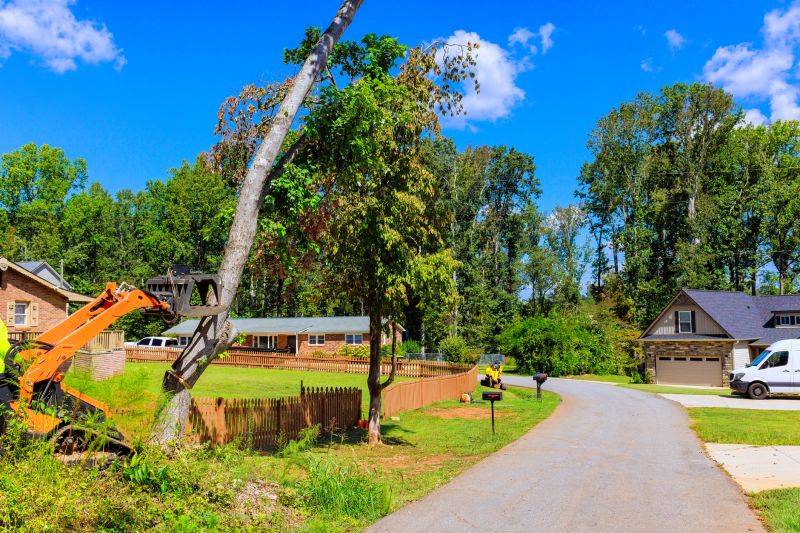
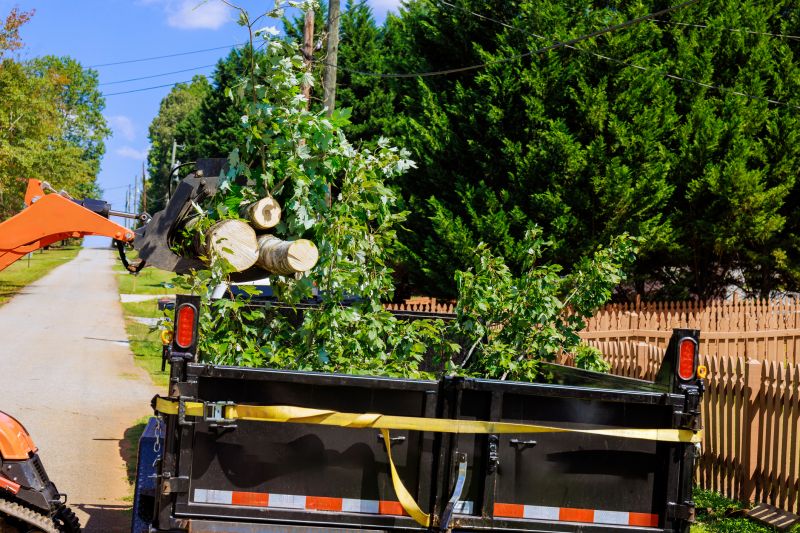
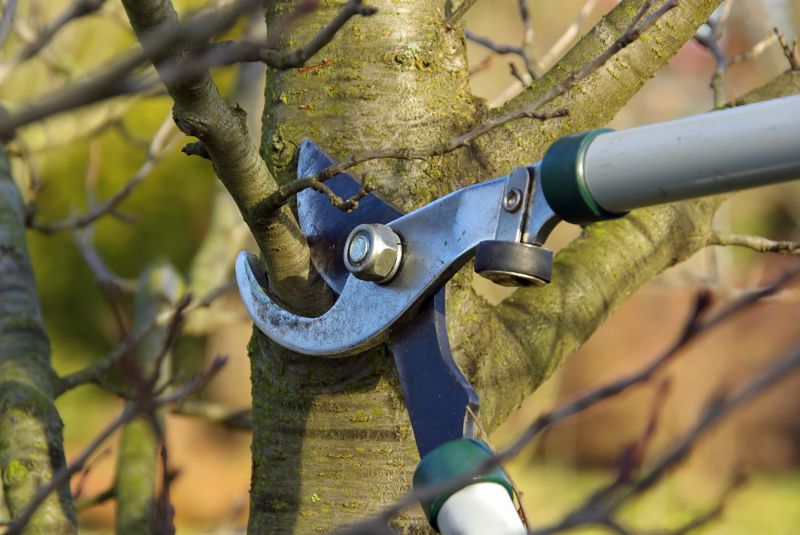
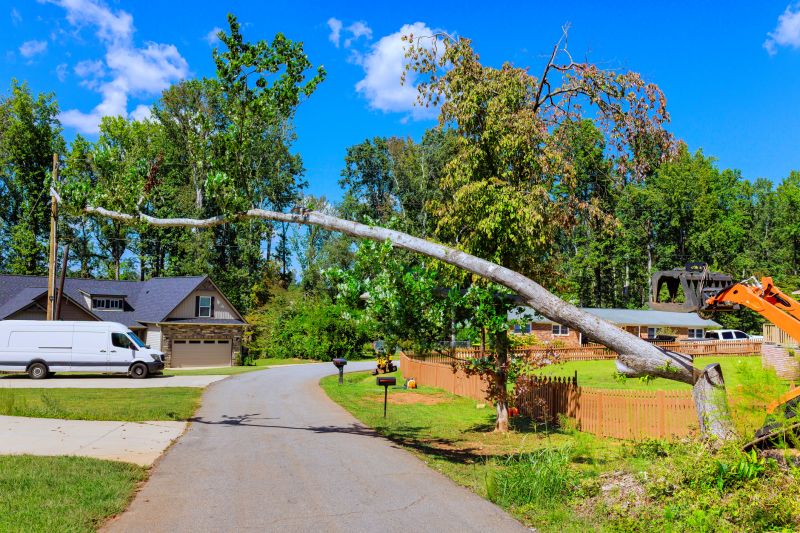
Use clear, consistent criteria to compare local contractors for tree limbs removal, focusing on scope, experience, and written expectations.
- Scope Definition - Clearly outline the specific tree limbs to be removed and the extent of work required.
- Experience Verification - Confirm that local contractors have relevant experience with tree limb removal projects.
- Method and Equipment - Specify the techniques and tools that will be used to ensure safe and effective removal.
- Worksite Preparation - Detail the necessary preparations and precautions to protect surrounding property during the removal process.
- Written Agreement - Ensure all project details, including scope and expectations, are documented in a written contract.
When evaluating contractors for tree limb removal, it’s important to consider their experience with similar projects. Homeowners should inquire about the types of trees they have worked on and the complexity of previous removals. Contractors with a history of handling trees comparable in size, species, or location are more likely to understand the specific challenges involved. This background can provide insight into their familiarity with the necessary techniques and safety considerations, helping homeowners choose a service provider capable of managing their particular needs.
A clear, written scope of work is essential when comparing contractors. This document should outline the specific tasks to be performed, including which limbs will be removed, the methods to be used, and any cleanup or debris removal involved. Having a detailed scope helps ensure that expectations are aligned and reduces the risk of misunderstandings. Homeowners should review the scope carefully to confirm it covers all aspects of the project and matches their objectives, providing a solid foundation for a professional agreement.
Verification basics are critical in assessing potential service providers. Homeowners can verify a contractor’s experience by requesting references or examples of completed projects similar to their own. Confirming that the contractor has a track record of successful limb removals in the local area can offer additional confidence. It’s also helpful to check whether the contractor has insurance coverage or other safeguards in place, which can protect against unforeseen issues. Gathering this information allows for a more informed comparison of the options available.
When evaluating options, homeowners should focus on the contractor’s experience, the clarity of the scope of work, and the verification of their background. Comparing these aspects helps identify professionals who are well-equipped to handle the job reliably and efficiently. It’s advisable to ask detailed questions about past projects, request written descriptions of the scope, and seek references or evidence of local experience. This approach ensures that the chosen service provider aligns with the project’s requirements and provides a solid basis for a successful tree limb removal.
Ask contractors to provide written scope details to ensure clear expectations and consistent project understanding.
- Scope of Work - What specific tree limb removal tasks are included in the contractor's services?
- Experience and Expertise - How do contractors demonstrate their experience with tree limb removal projects similar to yours?
- Equipment and Techniques - What methods and tools do local contractors use to ensure safe and effective limb removal?
- Insurance and Liability - Do the service providers have appropriate insurance coverage to handle potential damages or accidents?
- Written Estimates and Agreements - How do contractors outline the scope and expectations clearly in written agreements or estimates?
How can I compare contractors for tree limb removal? To compare service providers, review their experience, verify their reputation through reviews or references, and ensure they clearly define the scope of work in writing.
What should I look for when defining the scope of tree limb removal? Clearly specify which limbs need removal, the size and location of the limbs, and any safety or access considerations to ensure everyone understands the project details.
How do I verify a contractor’s experience with tree limb removal? Ask for details about their previous projects, check references, and confirm that they have handled similar jobs to ensure they have the necessary expertise.
Why is it important to get the scope of work in writing? Having a written agreement helps prevent misunderstandings, clarifies expectations, and provides a record of what was agreed upon for the project.
What questions should I ask potential service providers? Inquire about their experience, clarify the scope of work, request references, and confirm how they handle safety and cleanup procedures.
How can I ensure a contractor is a reliable choice for tree limb removal? Look for contractors with a solid reputation, clear communication about scope and process, and a history of completing similar projects to your satisfaction.
This page has highlighted the importance of understanding the scope of tree limb removal projects, verifying the experience of service providers, and setting clear expectations in writing. By comparing different local contractors, visitors can find the options that best align with their specific needs and preferences. Using the quote form allows for an easy way to gather information and make informed decisions among available local service providers.
Taking the time to review and compare local contractors ensures a more transparent and straightforward process for tree limb removal. The quote form offers a practical step to connect with service providers who can handle the job, helping visitors evaluate their options effectively. Exploring local options through this platform can assist in finding the right contractor to meet individual project requirements.