Compare Local Contractors for Safe Tree Branch Cutting Services
Compare local contractors for tree branch cutting to define project scope, verify experience, and set clear expectations in writing for a safe, professional job.
Tree branch cutting services typically cover the removal of overgrown, damaged, or hazardous branches from trees on residential or commercial properties. This work involves trimming to improve tree health, prevent potential property damage, and maintain the overall appearance of the landscape. Contractors may also perform selective pruning to shape trees or reduce the risk of branches falling during storms. It's important for property owners to clearly define the scope of work-such as specifying which branches need to be removed or trimmed-to ensure the project meets expectations and avoids misunderstandings.
Defining the scope of tree branch cutting work is a crucial step in selecting a contractor. Clear communication about which areas or branches require attention helps prevent surprises and ensures that the service provider understands the property owner’s priorities. When discussing scope, consider factors like the size and location of branches, the extent of trimming needed, and any safety concerns. Having these details in writing can serve as a reference point throughout the project, helping to keep the work aligned with the original plan and making it easier to compare different local contractors.
Property owners can effectively compare local contractors by evaluating their experience, reputation, and the scope of services offered. It’s helpful to ask potential service providers about their familiarity with the type of work needed and to verify that they have handled similar projects in the past. Reviewing any available references or reviews can provide insight into their reliability and quality of work. Additionally, discussing how each contractor plans to approach the job and requesting a detailed written scope of work can assist in making an informed decision. This approach ensures that expectations are clearly set and that the chosen contractor is equipped to handle the specific needs of the property.
Compare local contractors by outlining priorities, verifying experience, and clearly defining scope and expectations in writing.
- Compare Contractor Experience - Review the background and expertise of local contractors to ensure they meet the scope of the tree branch cutting job.
- Define Service Scope Clearly - Clearly outline the specific branches and areas to be trimmed to avoid misunderstandings.
- Verify Service Provider Credentials - Confirm the qualifications and track record of local contractors before engagement.
- Document Expectations in Writing - Ensure all project details and agreements are documented to set clear expectations.
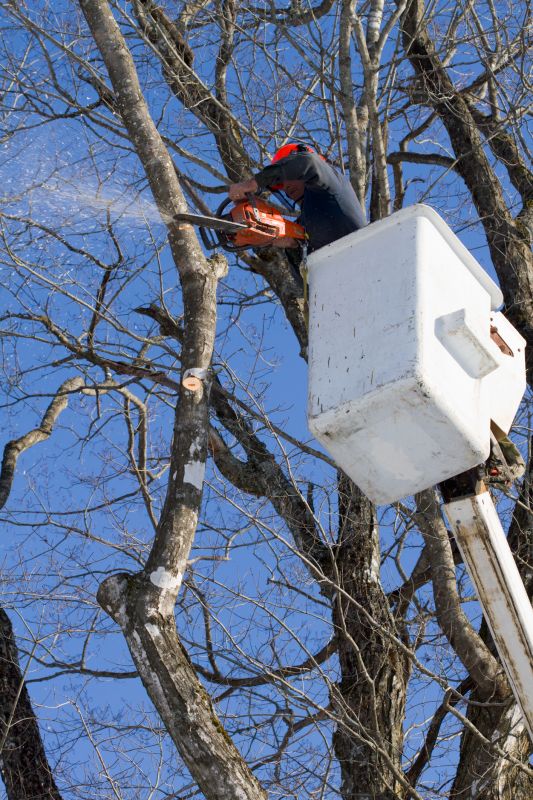
Compare local contractors by clearly describing your tree branch cutting project, defining scope, and verifying experience upfront.
- Verify the experience and reputation of local contractors specializing in tree branch cutting. - Ensure they have a history of safely handling tree trimming projects similar in scope.
- Define the scope of work clearly in writing, including which branches are to be cut and any safety considerations. - Clear documentation helps set expectations and prevents misunderstandings.
- Compare multiple service providers to assess their expertise, methods, and customer feedback. - Gathering information from various local contractors can aid in making an informed choice.
- Ask service providers about their approach to branch cutting and safety procedures. - Understanding their methods ensures they follow appropriate practices for the job.
- Check if the contractors are insured or bonded to protect against potential damages or accidents. - Confirming coverage provides peace of mind and accountability.
- Request detailed written estimates outlining the scope, procedures, and any disclaimers before work begins. - Written agreements help clarify the project’s parameters and protect all parties involved.
Compare local contractors, clarify project scope, verify experience, and set clear expectations in writing.
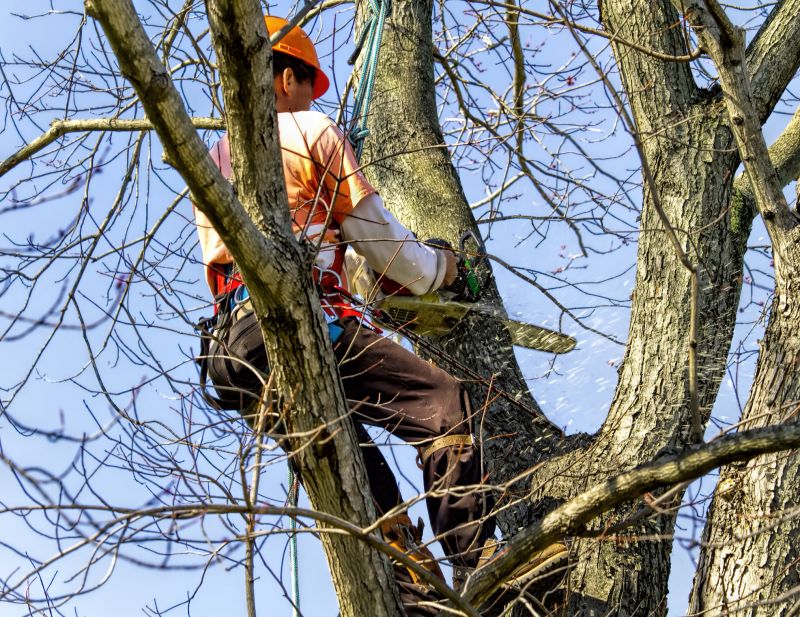
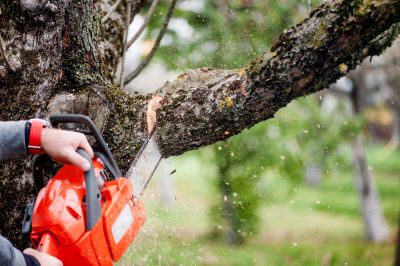
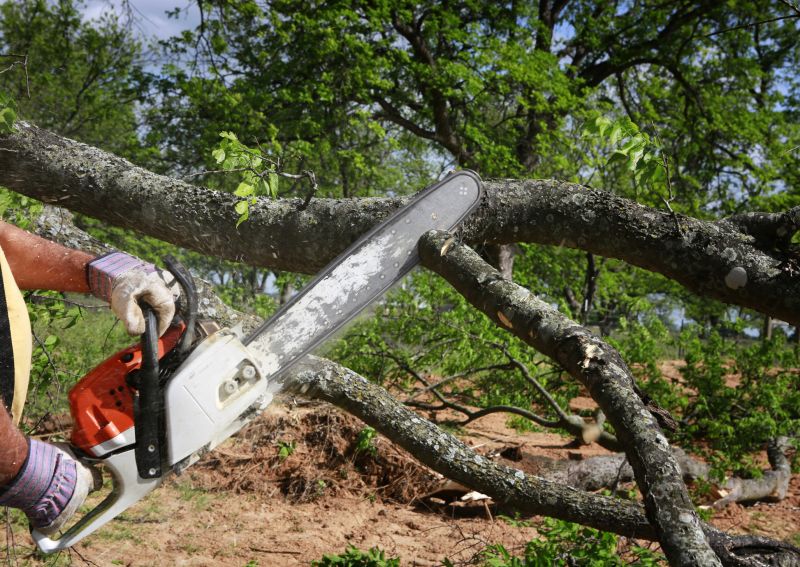
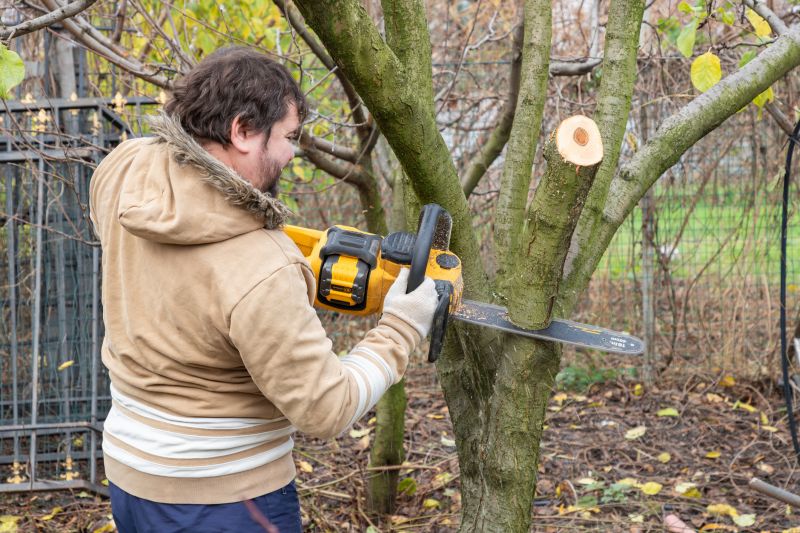
Learn how to compare local contractors, define clear scope, verify experience, and set expectations in writing for tree branch cutting.
- Define the scope of work - specify which tree branches need to be cut and the desired outcome.
- Identify experience levels - verify that service providers have relevant experience with branch cutting projects.
- Determine safety procedures - ensure that contractors follow appropriate safety practices during the work.
- Establish communication expectations - clarify how the scope, process, and any concerns will be documented in writing.
- Compare local contractors - review and evaluate multiple service providers based on their scope definitions and experience.
When comparing contractors for tree branch cutting, it is important to consider their experience with similar projects. Look for service providers who have a proven track record of handling tree trimming jobs comparable in scope and complexity to your needs. Contractors with relevant experience are more likely to understand the specific techniques and safety considerations required, which can lead to more consistent results and fewer surprises during the project.
A clear, written scope of work is essential when evaluating different contractors. This document should outline the specific tasks to be performed, the areas involved, and any particular concerns or requirements you have. Having a detailed scope helps ensure that everyone is aligned on the expectations and deliverables, reducing the risk of misunderstandings or incomplete work. It also provides a basis for comparison between different service providers’ proposed approaches.
Verification basics involve confirming that contractors have the necessary background to perform the work competently. This includes reviewing their experience with similar projects, understanding their methods, and ensuring they follow standard safety practices. Asking for references or examples of previous work can provide insight into their capabilities and reliability. While licensing and certification are not the focus here, verifying their reputation and track record can help identify service providers who consistently deliver quality results.
Evaluating options without discussing prices involves focusing on the quality of the scope, experience, and communication. Consider how well each contractor articulates their approach and whether their scope aligns with your needs. It’s also helpful to assess their responsiveness and professionalism, as these qualities often reflect their overall work ethic. By comparing how each service provider plans to approach the project and their ability to clearly define the work, homeowners can make informed decisions based on the value of their expertise and clarity, rather than cost alone.
Ask contractors to provide written scope details to ensure clear expectations and consistent project understanding.
- Experience and Expertise - What specific experience do the service providers have with tree branch cutting projects similar to yours?
- Scope of Services - How do contractors define the scope of work to ensure all necessary tasks are included?
- Equipment and Techniques - What tools and methods do the local contractors use to safely and effectively trim tree branches?
- Insurance and Liability - How do service providers handle insurance coverage and liability to protect clients during the project?
- Written Estimates and Agreements - Do contractors provide detailed written descriptions of the work scope to set clear expectations?
How can I compare contractors for tree branch cutting? To compare local contractors, review their experience, services offered, and any available references or reviews to ensure they meet your project needs.
What should I specify when defining the scope of tree branch cutting? Clearly outline which branches need removal, the size and location of the trees, and any safety or access considerations to help contractors understand the project.
How do I verify the experience of a tree branch cutting contractor? Ask for details about their previous work, types of trees they’ve handled, and any relevant projects to gauge their familiarity with similar jobs.
Why is it important to have the scope of work in writing? Having a detailed, written scope helps set clear expectations and provides a reference for the work to be performed, reducing misunderstandings.
What questions should I ask contractors during the comparison process? Inquire about their experience, methods, safety practices, and how they plan to approach your specific tree branch removal needs.
How can I ensure the contractor understands my project requirements? Communicate your expectations clearly and verify that the contractor has documented the scope and details of the work before proceeding.
This page has provided an overview of how to find and evaluate contractors for tree branch cutting services. Visitors learned the importance of clearly defining the scope of work, verifying the experience of service providers, and setting expectations in writing to ensure a smooth process. Comparing local contractors can help identify options that best meet specific needs and preferences.
Using the quote form allows for easy comparison of local contractors who specialize in tree branch cutting. It’s a helpful step toward connecting with service providers who can handle the job, enabling informed decisions based on the options available in the area.