Compare Local Contractors for Safe Limbs Trimming Services
Compare local contractors for limbs trimming to define project scope, verify experience, and set clear expectations for a safe, professional job.
Limbs trimming is a key aspect of property maintenance that involves pruning and removing excess or overgrown branches from trees and shrubs. This work helps maintain the health and appearance of landscape plants, reduces the risk of falling limbs, and ensures clear visibility around the property. Typically, contractors in this field use specific techniques and tools to carefully shape and cut branches, aiming to promote healthy growth while preventing damage to the plant or surrounding structures. Understanding the scope of limbs trimming can help property owners determine what services are needed, whether it’s routine pruning, hazard removal, or shaping for aesthetic purposes.
Defining the scope of limbs trimming work is essential to ensure that property owners and contractors are aligned on expectations. A clear scope outlines what branches will be trimmed, which areas are to be addressed, and any specific methods or standards to be followed. Having this in writing helps prevent misunderstandings and ensures that the work meets the property owner’s needs. When discussing options with local contractors, it’s beneficial to ask about their experience with similar projects and to specify exactly what you want to achieve. This clarity allows contractors to provide more accurate information about their expertise and approach, contributing to a smoother project process.
Property owners can compare local contractors by reviewing their experience, reputation, and the scope of services offered. It’s useful to ask for references or examples of previous work to gauge their capability in handling limbs trimming projects similar to your property. Additionally, clarifying what is included in their service offerings and how they plan to execute the work can help in making an informed decision. Many property owners find it helpful to request written proposals or estimates that detail the scope of work, so they can compare what different service providers plan to deliver. This approach ensures transparency and helps identify the contractor best suited to meet the specific needs of the property.
Compare local contractors by outlining your project priorities, verifying experience, and clarifying expectations in writing.
- Compare Service Providers - Review local contractors to find those who specialize in limbs trimming.
- Define Scope Clearly - Outline the trimming requirements and expectations in writing before work begins.
- Verify Experience - Check the background and previous work of local contractors to ensure expertise.
- Set Expectations in Writing - Document the agreed scope and details to help prevent misunderstandings.
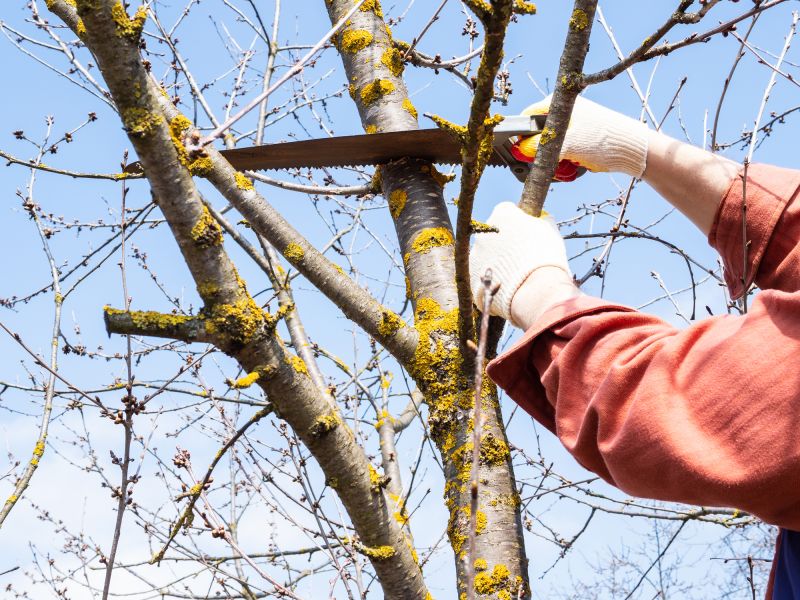
Clearly describe your limbs trimming project and compare local contractors by defining scope, verifying experience, and setting expectations in writing.
- Verify the contractor’s experience with limbs trimming and tree maintenance projects. - Ensure they have a clear scope of work outlined in writing before beginning the job.
- Check that the contractor understands proper trimming techniques to promote tree health and safety. - Confirm that the scope of work includes removal of dead or hazardous limbs.
- Discuss the extent of trimming to avoid over-pruning and damage to the tree’s structure. - Make sure the contractor provides detailed expectations and work specifications in writing.
- Review the contractor’s safety practices and equipment to ensure a professional approach to limbs trimming. - Clarify what is included in the scope, such as debris cleanup or branch disposal.
- Compare multiple service providers to assess their experience, scope definitions, and written agreements. - Look for contractors who clearly define the work and expectations in a written contract.
- Ensure the scope of work covers the specific limbs and branches that need trimming according to the property’s needs. - Confirm that the scope aligns with the desired outcomes and safety considerations.
Compare local contractors' experience and clarify scope to ensure expectations are aligned in writing.
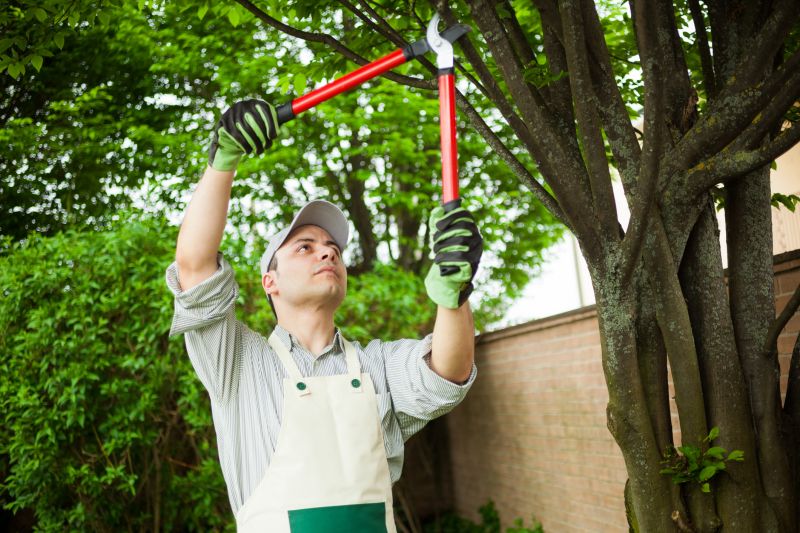


Use clear, consistent scope definitions and verify experience to ensure fair comparisons among local contractors for limbs trimming.
- Define trimming scope - specify which limbs and branches are to be trimmed and the desired outcome.
- Assess experience and expertise - verify that service providers have relevant experience in limbs trimming projects.
- Establish work parameters in writing - document the extent of trimming, techniques to be used, and any specific instructions.
- Identify safety and cleanup procedures - clarify how debris will be handled and ensure safety practices are understood.
- Compare service provider credentials and reputation - review references, reviews, or portfolio examples to evaluate reliability.
When evaluating contractors for limbs trimming, it’s important to consider their experience with similar projects. Homeowners should inquire about the types of trees and landscapes the service providers have worked on previously. Contractors with a proven track record handling trees comparable in size, species, and location can often deliver more reliable results. Asking for details about past projects helps ensure that the chosen service provider has relevant experience, reducing the risk of unforeseen complications during the trimming process.
A clear, written scope of work is essential when comparing contractors. This document should outline exactly what limbs will be trimmed, which areas will be affected, and any specific techniques or tools that will be used. Having a detailed scope helps prevent misunderstandings and sets clear expectations for the project. Homeowners are encouraged to review and, if needed, request adjustments to the scope before work begins, ensuring that all parties agree on what will be done.
Verification basics involve confirming that the contractor has the necessary background to perform limbs trimming safely and effectively. While licensing and certification are not the focus, homeowners should verify references or reviews from previous clients. Asking service providers about their experience with similar projects and requesting examples of completed work can provide insight into their capabilities. This step helps homeowners feel confident that the contractor understands the scope and can execute the job to meet expectations.
When comparing options, it’s helpful to evaluate how well each contractor communicates and how thoroughly they define the scope and process. Consider the level of detail in their written proposals and whether they are willing to answer questions or clarify procedures. Homeowners should look for service providers who emphasize transparency and clarity, as these qualities often indicate a professional approach. By focusing on experience, scope clarity, and verification, homeowners can make informed decisions and select a contractor best suited for their limbs trimming needs.
Request written descriptions of the scope and expectations to ensure clarity and consistency among service providers.
- Scope Definition - What specific limbs or areas should the contractor focus on during trimming?
- Experience and Expertise - How long has the contractor been performing limbs trimming, and what types of trees have they worked on?
- Services Offered - Do the contractors provide additional services such as pruning or health assessments alongside trimming?
- Work Quality and Methods - What techniques and tools do the local service providers use to ensure proper trimming?
- Written Agreements - How do contractors outline the scope and expectations of the limbs trimming project in writing?
What should I consider when choosing a contractor for limbs trimming? It is important to compare the experience, reputation, and scope of services offered by different local contractors to ensure they meet specific needs for limbs trimming projects.
How can I verify the qualifications of a limbs trimming contractor? While formal licensing or certification may not be required, reviewing a contractor’s references, portfolio, and customer feedback can help assess their experience and reliability.
What details should be included in a scope of work for limbs trimming? A clear scope should specify the number and type of limbs to be trimmed, the areas involved, and any specific techniques or tools to be used, all documented in writing.
Why is it important to compare multiple contractors for limbs trimming? Comparing different service providers allows for evaluating their experience, scope of work, and professionalism, helping to find the best match for the project’s needs.
How can I ensure that expectations are clear with a limbs trimming contractor? It is recommended to discuss and document all project details, including scope and specific requirements, in writing before work begins.
What questions should I ask a limbs trimming contractor before hiring? Inquire about their experience with similar projects, the methods they use, and how they define the scope of work to ensure alignment with your expectations.
Visitors now have a clearer understanding of how to find qualified contractors for limbs trimming services. They learned the importance of defining the scope of work, verifying experience, and setting clear expectations through written communication. This approach helps ensure that they can compare different local contractors effectively and make informed decisions based on their specific needs.
To move forward, visitors are encouraged to use the quote form to explore and compare options available in their area. Connecting with experienced local service providers through this process can help identify the right contractor for their limbs trimming project, tailored to their individual requirements.