Compare Local Contractors for Tree Canopy Thinning Services
Compare local contractors for tree canopy thinning to clarify project scope, verify experience, and ensure clear written expectations before hiring.
Tree canopy thinning involves selectively removing or reducing certain branches and foliage to improve the overall health and structure of trees. This work typically covers assessing the tree’s condition, identifying which branches may pose risks or hinder growth, and carefully pruning to achieve desired outcomes. Proper canopy thinning can help prevent storm damage, improve sunlight penetration, and promote healthier growth patterns. Engaging experienced contractors ensures that the work is performed with attention to the specific needs of each tree, minimizing potential harm while enhancing the landscape’s appearance and safety.
Defining the scope of tree canopy thinning is an essential step that influences the quality and effectiveness of the work. Clear communication about which trees or areas require attention, the extent of thinning, and any specific concerns helps avoid misunderstandings and ensures that the project aligns with property goals. A well-defined scope also provides a basis for comparing different contractors, enabling property owners to evaluate their proposed approaches and methods. Documenting expectations in writing can serve as a reference point throughout the project, helping to ensure that the work meets agreed-upon standards.
When seeking local contractors for canopy thinning, property owners should consider how to compare their qualifications and experience. Reviewing the scope of work each provider offers can reveal differences in their approach and expertise. It’s helpful to verify whether contractors have handled similar projects in the past and to ask for references or examples of completed work. Additionally, establishing a detailed written agreement that outlines the scope, responsibilities, and expectations can support a transparent process. Comparing these aspects across multiple service providers can assist in selecting a contractor who is well-suited to meet the specific needs of the property.
Compare local contractors by outlining your priorities, verifying experience, and clarifying scope and expectations in writing.
- Compare Service Providers - review local contractors’ experience and qualifications to find the best match for canopy thinning.
- Define Project Scope - clearly outline the work needed to ensure all parties understand the expected outcomes.
- Verify Experience - assess contractor backgrounds to confirm they have relevant experience with tree canopy management.
- Document Expectations - set and agree on project details in writing to help prevent misunderstandings.
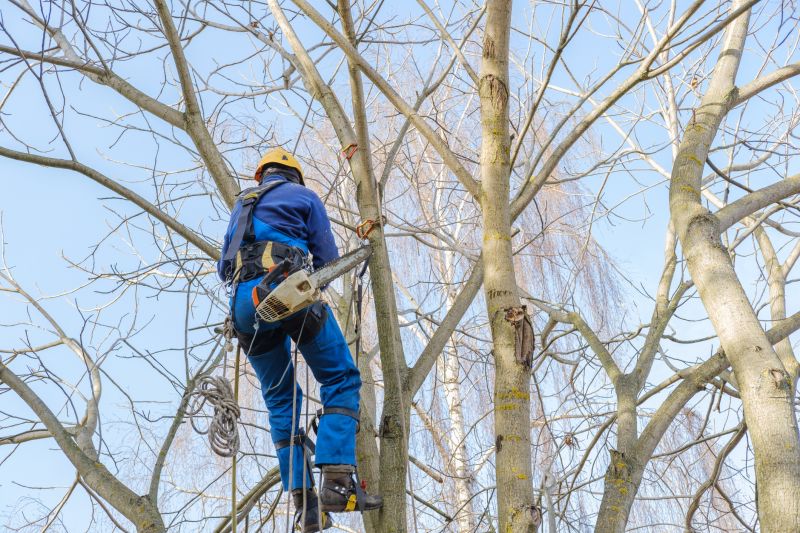
Clearly describe your tree canopy thinning project to help local contractors compare options and define the scope effectively.
- Assess contractor experience with tree canopy thinning projects to ensure familiarity with local tree species and conditions. - Verify that service providers clearly define the scope of work and expected outcomes in written agreements.
- Compare multiple local contractors to evaluate their approaches and ensure consistency in service quality. - Review references or past project descriptions to gauge the contractor’s expertise and reliability.
- Ensure that the scope of work includes details on thinning techniques, equipment used, and areas targeted for thinning. - Confirm that the contractor’s proposed methods align with best practices for tree health and safety.
- Check that contractors provide detailed written proposals outlining the work plan, responsibilities, and any limitations. - Clarify expectations and prevent misunderstandings by having all details documented upfront.
- Evaluate the contractor’s understanding of local regulations or guidelines related to tree management and thinning. - Ensure compliance with any relevant municipal or environmental standards.
Use this to compare local contractors, clarify scope, verify experience, and set clear expectations in writing.
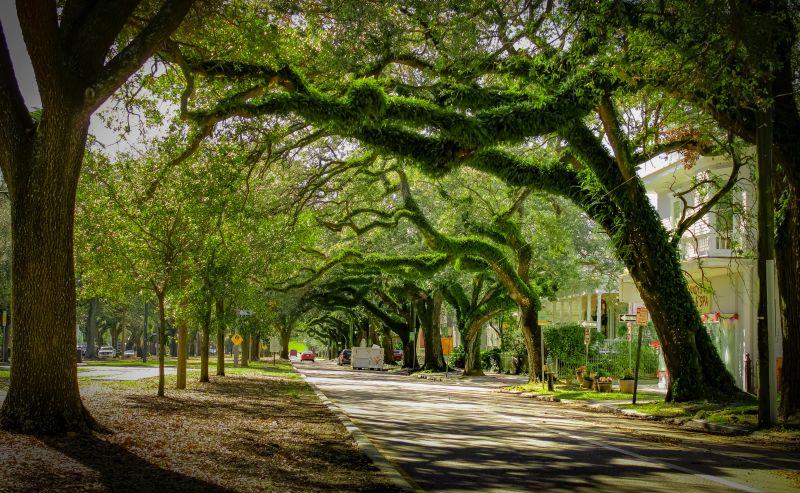

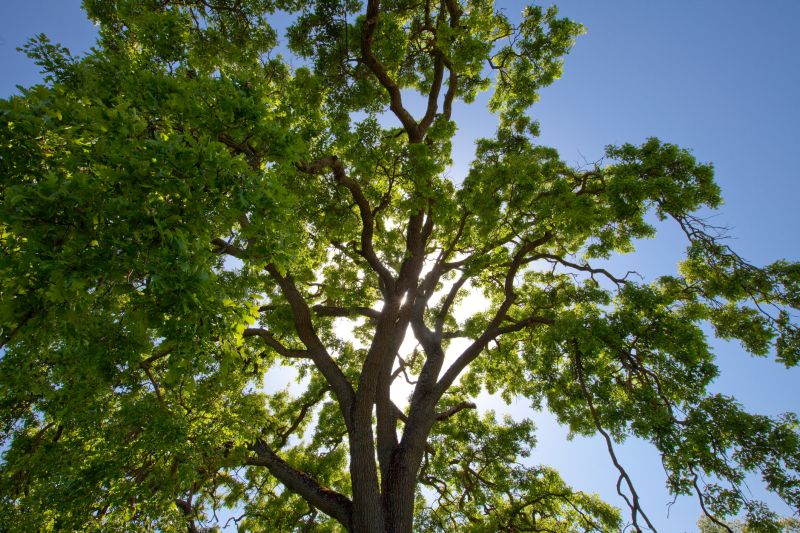
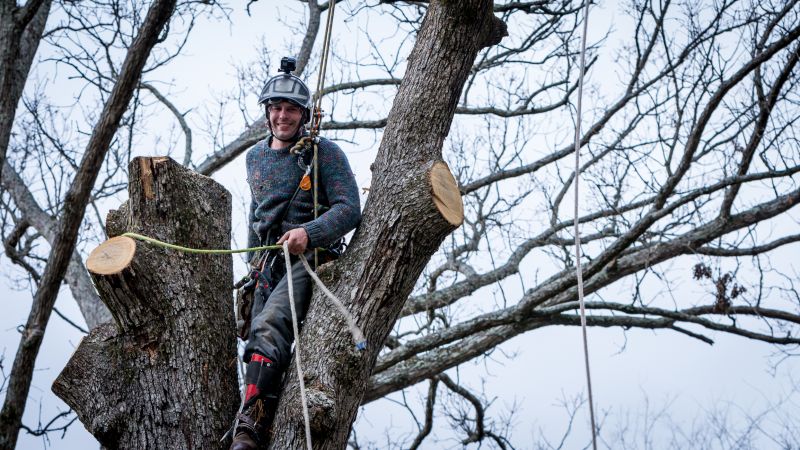
This scope builder helps compare local contractors for tree canopy thinning by clarifying work details and experience.
- Define the scope of tree canopy thinning services to specify the extent of branch removal and thinning areas.
- Verify the experience of local contractors in performing tree canopy thinning to ensure familiarity with similar projects.
- Establish clear project expectations in writing including the desired outcomes and any specific techniques to be used.
- Compare multiple service providers based on their scope definitions, experience, and communication clarity.
- Request detailed proposals that outline the scope of work and methods to facilitate informed decision-making.
When evaluating contractors for tree canopy thinning, it is important to consider their experience with similar projects. Service providers who have a history of performing canopy management or pruning work on trees of comparable size and species are more likely to understand the specific requirements and potential challenges involved. Asking about past projects or requesting references can help gauge their familiarity with the scope and complexity of thinning tasks, ensuring that the chosen contractor has relevant hands-on experience.
A clear, written scope of work is essential for setting accurate expectations and avoiding misunderstandings. A detailed description should outline the specific trees to be thinned, the methods to be used, and any areas to be avoided. This document serves as a foundation for communication and can be used to verify that both parties share a common understanding of the project’s parameters. Service providers that can provide a comprehensive scope in writing demonstrate professionalism and a thorough approach to planning the work.
Verification of a contractor’s qualifications begins with understanding their process for assessing the site and the trees involved. While licensing and certification are not the focus here, it is useful to inquire whether they perform site evaluations and how they determine the appropriate thinning techniques. A reliable contractor will be able to explain their approach to assessing tree health, structure, and potential risks, which helps ensure the work is done safely and effectively. Confirming that they follow established standards or best practices can also contribute to a successful outcome.
When comparing options among local contractors, it is helpful to review their descriptions of the proposed scope and approach. Pay attention to how well they communicate their methods and whether their explanations align with your project goals. Assessing their experience, the clarity of their written scope, and their approach to site evaluation can provide insights into their professionalism and suitability for the job. This careful comparison helps ensure that the selected service provider will meet expectations and deliver quality work tailored to the specific needs of the property.
Request written scope details from local contractors to ensure clear expectations and consistent project understanding.
- Scope of Work Clarification - What specific tasks and areas are included in the canopy thinning service?
- Experience and Expertise - How much experience do the local contractors have with tree canopy thinning projects?
- Methodology and Techniques - What methods or tools will be used to ensure proper canopy thinning?
- Scope Changes and Adjustments - How will modifications to the scope be handled and documented in writing?
- Comparison Criteria - What criteria should be used to compare different local contractors’ scope definitions and service approaches?
What should I consider when choosing a contractor for tree canopy thinning? It's important to compare local contractors based on their experience, the scope of work they offer, and how clearly they define project details in writing to ensure expectations are aligned.
How can I verify a contractor’s experience with tree canopy thinning? You can review their previous work, ask for references, or check if they have specialized knowledge in tree health and canopy management to ensure they are qualified for the job.
What questions should I ask a contractor before hiring for canopy thinning? Inquire about their approach to thinning, how they plan to minimize impact on the tree, and how they document the scope of work to ensure all aspects are clearly understood.
Why is it important to define the scope of work in writing? Having a detailed written scope helps prevent misunderstandings, sets clear expectations, and provides a reference point for the work to be performed by the contractor.
How can I compare different contractors for canopy thinning services? Gather details on their experience, scope of work, and how they communicate project specifics in writing, then evaluate which provider best aligns with your needs.
What should I look for in a contractor’s communication about canopy thinning? Clear, detailed descriptions of the work scope, procedures, and expectations help ensure that both parties are aligned before the project begins.
Understanding the key aspects of tree canopy thinning, including the importance of clearly defining the scope of work, verifying the experience of service providers, and setting expectations in writing, can help ensure the project meets your needs. Comparing different local contractors allows for an informed choice, helping you find the right professional for the task. Using the quote form to gather information and review options is a helpful step toward connecting with qualified service providers.
By taking the time to explore and compare local contractors, you can better understand the services available and ensure your project is approached with clarity and professionalism. Filling out the quote form provides a straightforward way to gather details and see how different providers can meet your specific requirements, making it easier to find a suitable partner for tree canopy thinning.